The Hidden Anxiety of Owning an Electric Car
I remember the exact moment my new car excitement turned into pure panic. I was driving my family home during a freezing winter night, and the battery percentage on my dashboard started dropping twice as fast as normal. My hands were actually sweating on the steering wheel as I turned off the heater just to make it to our driveway. That night, I realized owning an electric car came with a hidden stress nobody warned me about.
You finally bought your dream electric vehicle. The quiet ride, the instant speed, and the joy of never visiting a dirty gas station again feel amazing. But a few months down the line, a strange new worry starts to creep in.
You notice your dashboard display shows fewer miles on a full charge than it did on day one. Suddenly, you find yourself staring at the battery percentage every few minutes while driving to work.
This is known as range anxiety, and it is a very real, heavy burden. You start turning off the air conditioning just to save a few extra miles. You worry about getting stranded on the highway with your family inside the car .
Instead of enjoying the smooth drive, you are constantly doing math in your head. You wonder if you broke your expensive car.
People easily get trapped in a cycle of bad advice when trying to fix this. The internet is full of random forums where amateur drivers share completely opposite opinions.
Here is why finding the right solution feels impossible and actually hurts your battery more:
- Social media myths: Many owners swear you should drain your battery to zero before charging, which actually damages modern electric cars.
- Dealership confusion: Salespeople often lack deep technical knowledge and just tell you to plug it in whenever you want.
- Fear-mongering articles: You read stories about batteries dying after just two years, making you terrified of every single software update.
- Over-complication: Technical manuals use heavy engineer speak, leaving regular drivers totally confused about what to do daily.
Living with this constant stress slowly destroys the joy of electric driving. It directly impacts your mental peace and your confidence on the road.
Let’s look at how this unseen pressure affects you:
- Loss of freedom: You stop taking spontaneous weekend road trips because you fear you won't make it to the next charging station.
- Financial dread: You constantly worry about the massive hidden cost of replacing a dead battery pack out of pocket.
- Second-guessing: You lose confidence in your own vehicle, wondering if every cold morning or hot afternoon is slowly killing your car.
The truth is, battery wear and tear is completely natural. But you do not have to sit back and watch your range disappear. You have the power to slow this process down significantly.
Decoding the Science: Why Does Your Battery Shrink?
Before we fix the problem, we need to understand what is happening under the floor of your car. Every time you drive and plug in, a massive chemical reaction takes place.
Think of your electric car battery like a sponge that holds water. When the sponge is brand new, it is soft and can soak up a huge amount of liquid. But over time, as you squeeze it dry and soak it again, the material gets a little stiff.
Eventually, that old sponge simply cannot hold as much water as it used to. Your car battery works the exact same way with electricity.
The Lithium-Ion Highway
Your electric car runs on thousands of tiny lithium-ion cells packed tightly together. Inside these cells, tiny particles called ions travel back and forth between two sides.
When you charge the car, they move to one side. When you press the gas pedal, they race to the other side to give your wheels power .
Every single time these particles move, they create a tiny amount of microscopic wear and tear. This is not a defect in your car. It is just the basic law of chemistry and physics at work.
Over thousands of trips, a very thin crust forms inside the battery cells. This crust blocks a small number of those ions from moving freely. When ions get trapped, your car loses a tiny bit of its total driving range.
Myth vs Reality: The "Memory" Effect
The Myth: "If I don't drain my battery completely to 0%, the car will forget its true capacity."
The Reality: This was true for old cell phones from twenty years ago, but it is highly damaging to modern electric cars. Draining a modern lithium-ion battery to zero actually speeds up the damage and causes permanent range loss.
The 3 Silent Killers of Your Electric Range
Now that we know how the chemistry works, we need to look at your daily habits. Most drivers accidentally harm their cars without even realizing it.
You can easily protect your investment by avoiding these three common traps. I am going to break down exactly what hurts your vehicle and how you can stop it right now.
Killer 1: The 100% Charging Habit
We all love seeing our phones and laptops hit that perfect 100% mark. It gives us a feeling of complete safety and readiness for the day. Naturally, we want our electric cars to sit at 100% in the driveway, too.
However, keeping an electric vehicle completely full is incredibly stressful for the internal chemistry.
Imagine eating a massive Thanksgiving dinner until your stomach physically hurts. Now imagine someone forcing you to sit at a desk and work while feeling that stuffed. That exact tension is what your battery feels when it sits at maximum capacity.
When lithium-ion cells are completely full, the internal pressure and heat rise dramatically. If your car sits in the garage for days at 100%, the battery degrades much faster than normal .
Your New Daily Habit:
Set your car’s smart charging limit to 80% for your normal daily driving. Only charge the car to 100% when you are planning a long road trip. As soon as it hits 100%, you should start driving right away so the pressure drops quickly.
For the first six months, I used to leave my car plugged in all weekend at 100%, thinking I was just being smart and prepared for Monday morning. Once I finally checked my battery's true health, I was shocked to see how much hidden damage my "full tank" habit had actually caused. Learning to trust the 80% daily limit was hard at first, but it completely stopped my battery from aging too fast.
Killer 2: The Extreme Temperature Trap
Your electric car is very much like a human being when it comes to weather. It likes to stay comfortable, preferring temperatures between 60 and 80 degrees Fahrenheit.
Extreme heat and freezing cold are the biggest enemies of long-term battery health. Let's start by looking at what happens during a brutal summer heatwave.
When you park your car on hot black asphalt under the blazing sun, the battery bakes. Heat speeds up all chemical reactions, which causes that internal "crust" we talked about to grow much faster .
Freezing winter weather causes a completely different problem. When the battery gets extremely cold, the liquid inside becomes thick and sluggish.
If you try to fast-charge a freezing cold battery, the ions cannot move properly. They end up piling up on the edges of the cell, causing permanent damage known as lithium plating.
Your New Daily Habit:
Whenever possible, park your vehicle in the shade during the hot summer months. If you have a garage, use it to protect the car from extreme winter freezes. Use your car’s app to "pre-condition" or warm up the battery for ten minutes before driving in the snow.
Pro Tip from the Experts
Never plug into a high-speed charger immediately after your car has been sitting in freezing temperatures all night. Drive the car normally for about 15 minutes first. This gently warms up the internal liquids, making it safe to accept heavy electricity.
Killer 3: High-Speed Charging Addiction
DC Fast Chargers are amazing inventions that make cross-country road trips entirely possible. They can pump hundreds of miles of range into your car while you drink a cup of coffee.
Because they are so fast and convenient, many new owners use them as their primary way to charge. But relying on high-speed charging every single day is a massive mistake.
Shoving that much electricity into a battery so quickly generates an enormous amount of instant heat. Even with modern cooling systems, this intense heat stresses the delicate materials inside the cells.
Doing this once in a while for a road trip is perfectly safe and normal. But using a fast charger every day on your way home from work will rapidly shrink your total range.
Understanding Your Charging Options
To help you make the best choice, let's look at how different chargers affect your long-term health.
Level 1 Charging (Standard Home Outlet)
This is like sipping water through a tiny straw. It is extremely slow, usually giving you about 3 to 5 miles of range per hour. It creates almost zero heat and is incredibly safe, but it might be too slow for a heavy commuter.
Level 2 Charging (Upgraded Home Wallbox)
This is the absolute sweet spot for your car. It gives you 20 to 30 miles of range per hour while you sleep. The electrical flow is steady and gentle, creating very little heat. This is the best way to keep your battery healthy for a decade.
Level 3 Charging (Public DC Fast Chargers)
This is like trying to drink from a massive fire hose. It fills the car in 30 minutes but creates intense thermal stress. You should save these strictly for long highway journeys.
Your New Daily Habit:
Invest in a good Level 2 charger for your home if you have a driveway or garage. Plug the car in overnight and let it sip power gently while you sleep. Treat the expensive public fast chargers as a backup plan, not your daily routine.
Reading the Signs: How to Measure Your Battery Health
Many drivers feel blind when it comes to understanding how much their battery has aged. You see the miles dropping on the screen, but you don't know if it is normal wear or a serious problem.
First, you need to understand the difference between State of Charge (SOC) and State of Health (SOH).
Your State of Charge is just the percentage you see on your dashboard right now, like a gas gauge. It tells you that you have 60% power left to drive today.
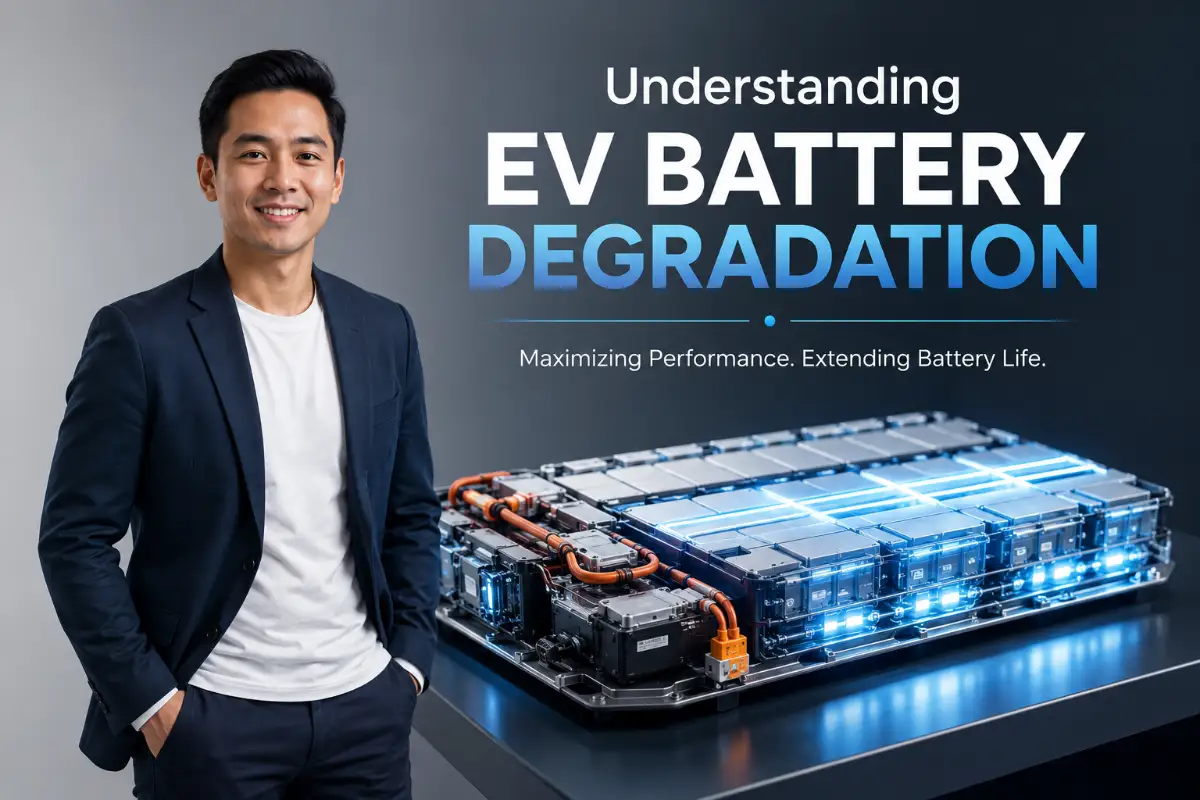
Your State of Health is the big picture. It measures how much total capacity your battery has lost since it left the factory.
If your car had 300 miles of range when brand new, and now its absolute maximum is 270 miles, your State of Health is 90%. This means you have experienced a 10% degradation over time.
Most manufacturers consider a 10% to 15% loss over five years to be completely normal and acceptable. Do not panic if your older car holds a little less juice.
If you want to track this accurately, do not rely solely on the dashboard mileage guesser. The car’s computer constantly changes the estimated range based on how fast you drive and whether the heater is on.
Instead, look into smart diagnostic apps that connect directly to your car's internal computer port. These tools read the raw data straight from the battery management system. They give you a real, mathematical percentage of your true battery life.
If you want to see exactly how these smart diagnostic apps connect to your car, watch the quick video below, and then keep reading to discover the hidden software settings you can use to protect your battery tonight.
Smart Software Secrets for Maximum Mileage
Now that we understand the basic chemistry of your car, we can look at some hidden tools. Modern electric vehicles are basically powerful computers on wheels.
They come packed with advanced software designed specifically to protect your battery pack. The problem is that most owners never bother to explore these settings.
By making a few simple tweaks to your dashboard menus, you can automate your battery health. You will not have to think about it constantly, and the car will do the heavy lifting for you.
Let's look at a very common scenario that happens in driveways every single afternoon. You arrive home from work at five o'clock, the sun is blazing, and the car is physically hot.
Most people plug the charging cable in immediately and walk inside the house. This forces the battery to start pulling heavy electricity while the cells are already stressed from the heat.
Instead, you should take advantage of your vehicle’s scheduled charging feature. You can easily tell your car's computer to wait until midnight before it starts pulling power.
By the middle of the night, the outside air is much cooler, and the battery pack has rested. Charging in cooler temperatures greatly reduces the thermal stress on those delicate lithium-ion cells.
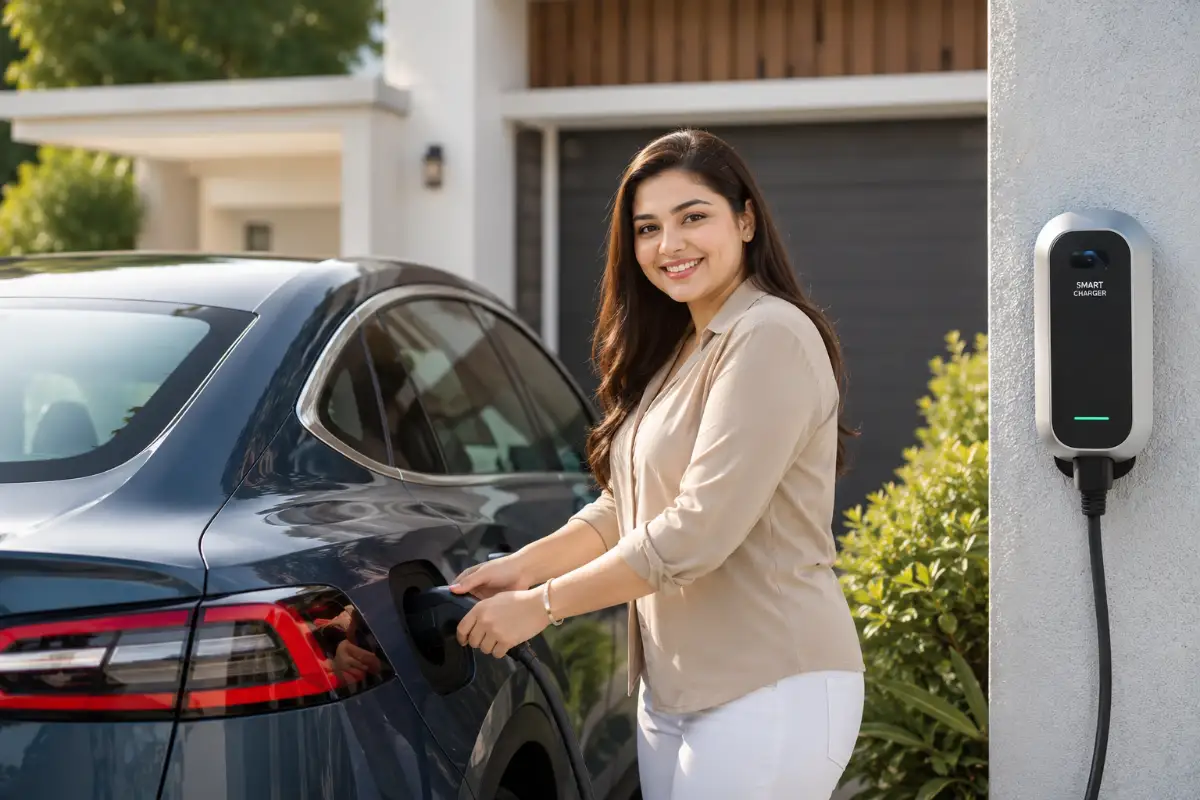
If you are planning to upgrade your home setup, this becomes even easier to manage. Taking the time to properly prepare your garage for an electric car allows you to install smart wall chargers that sync directly with your phone.
Mastering the Art of Preconditioning
Another incredible secret weapon is a feature called preconditioning or scheduled departure. This is an absolute game-changer for people who live in very cold or very hot climates.
Normally, when you start driving on a freezing winter morning, the battery is completely stiff. The car has to waste a huge amount of its own stored energy just to warm itself up.
This instant drain is exactly why you see your range drop rapidly during the first ten minutes of a winter drive.
Preconditioning solves this problem completely by using electricity straight from your house. You simply tell the car's app that you plan to leave for work at eight o'clock in the morning.
While the car is still plugged into the wall, it gently warms up the battery pack and the cabin. When you finally unplug and drive away, the battery is already at its perfect operating temperature.
According to energy experts at the U.S. Department of Energy, proper thermal management before driving is one of the most effective ways to preserve long-term battery capacity.
Rethinking Your Daily Driving Style
How you press the accelerator pedal has a massive impact on your long-term battery degradation. We all love the instant, rollercoaster-like speed that electric motors provide.
However, constantly slamming your foot down demands massive spikes of electricity from the cells. Think of it like drinking a thick milkshake through a very narrow straw.
If you pull too hard and too fast, the straw collapses under the pressure. When you constantly floor the accelerator, you are forcing high-pressure heat into the battery structure.
Instead, practice smooth and steady acceleration during your daily commute. Use your vehicle's Eco Mode, which naturally softens the power delivery and protects the battery chemistry.
You should also learn to love your vehicle's one-pedal driving feature. Understanding exactly how regenerative braking saves your battery allows you to capture lost energy while gently slowing down the car.
This gentle recovery method keeps the energy flow stable, which is incredibly healthy for the battery pack.
Silent Mistakes That Quietly Kill Your Range
Even with the best intentions, many owners fall into invisible traps that slowly drain their vehicle's lifespan. These mistakes do not cause immediate breakdowns, which makes them very dangerous.
They slowly chip away at your total mileage over months and months. If you can avoid these common pitfalls, your car will easily outlast your expectations.
Here are the most damaging traps you need to avoid starting today.
The Airport Vacation Trap
Let's imagine you are taking your family on a long two-week holiday overseas. You drive to the airport, park in the long-term lot, and notice your battery is sitting at a very low 10%.
You figure you will just charge it at a fast charger on the way home two weeks later. This is one of the worst things you can possibly do to an electric car.
Leaving a lithium-ion battery completely starved of energy for long periods causes the internal voltage to drop dangerously low. When the voltage drops too far, the chemical structure inside the cells begins to permanently break down.
Automotive researchers at organizations like Consumer Reports strongly warn against leaving electric cars parked with a near-empty battery for extended periods.
The Reality Check: Always aim to leave your car parked with roughly a 50% charge if you are going away for a week or more. This halfway point is the most stable and relaxing state for the battery chemistry.
The Phantom Drain Ignorance
Modern electric cars are basically giant security cameras and weather stations that never actually sleep. Features like Tesla's Sentry Mode or automatic cabin overheat protection are constantly running in the background.
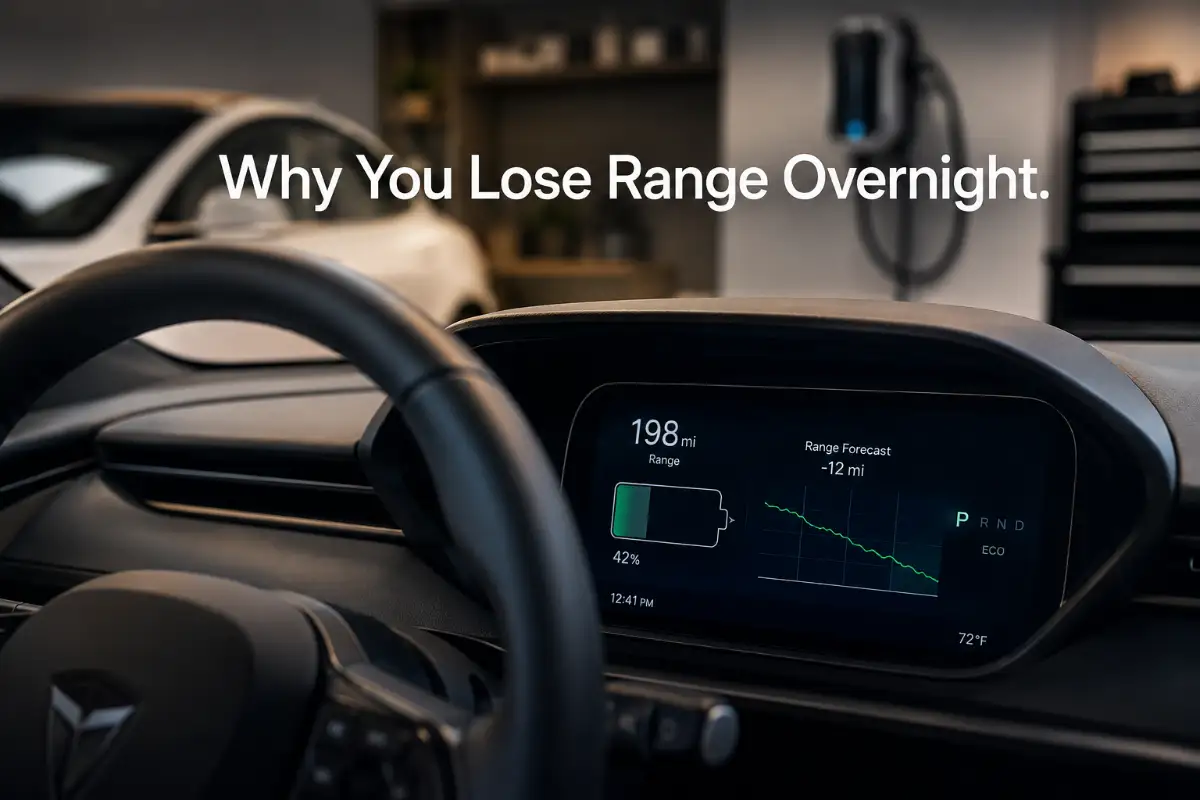
These features force the car's main computer to stay awake, which constantly sips power from the main battery pack. We call this silent loss "phantom drain" or "vampire drain."
If you leave your car unplugged in the driveway with all these features running, you might lose three to five miles of range every single day.
Over a few months, this constant micro-draining and recharging adds unnecessary wear and tear to the cells. A battery cycle is still a cycle, even if the car never actually moves an inch.
The Reality Check: If your car is parked safely in your own locked garage, turn off the heavy security cameras. Let the car actually go to sleep so the battery management system can rest.
Ignoring Critical Software Updates
We are all guilty of ignoring the little notification on our phones telling us to update the operating system. Many electric vehicle owners do the exact same thing with their cars.
They dismiss the update screen because they want to drive right away and don't want to wait twenty minutes. But ignoring these over-the-air updates directly harms your vehicle.
Engineers constantly monitor data from thousands of cars on the road to find out how batteries perform in real-world weather. When they discover a safer way to manage heat or charge speed, they send out a software update.
If you skip these updates, your car is running on outdated, less efficient thermal management rules.
The Reality Check: Treat your car updates just like basic maintenance. Connect your car to your home Wi-Fi and always let the updates install while you are sleeping.
Your Personal Action Plan for Tomorrow Morning
Living with an electric car should be an incredibly fun and stress-free experience. You do not need a degree in electrical engineering to keep your battery healthy for a decade.
You just need to shift your mindset away from the old habits we learned from driving gas cars. By practicing these simple daily routines, you take complete control over your vehicle's health.
You will stop staring at the percentage gauge in fear and start enjoying the quiet, smooth ride again. We have covered a lot of deep technical ground today, so let's simplify everything into a clear plan.
The Daily Habits Checklist
- Set the Smart Limit: Go into your car's screen right now and lock the daily maximum charge limit to 80%. Forget about it until your next big road trip.
- Plug in Automatically: Treat your car exactly like your smartphone. When you get home, plug it into your Level 2 wall charger and let the computer handle the rest.
- Park Smartly: Make a conscious effort to park in the shade during brutal summer days. In the winter, use your app to warm the car up while it is still plugged into the wall.
- Drive Smoothly: Enjoy the instant speed occasionally, but use Eco Mode for your daily commute to prevent heat spikes inside the cells.
Planning ahead is the absolute key to having a wonderful ownership experience. Just like you might carefully study and read airline ticket restrictions like a pro before a big family vacation, you should plan your charging strategy before a long drive.
Map out your fast-charging stops ahead of time, and never let the car drop all the way down to zero on the highway.
Remember, seeing a small drop in total mileage over the first few years is completely natural. It means your car is breaking in and settling into its long-term chemical rhythm.
Do not let random internet myths ruin your peace of mind. Follow these basic scientific principles, treat your battery with a little bit of respect, and your electric car will reward you with thousands of miles of trouble-free driving.
Looking back, I really wish I had known these simple habits on day one, but changing my routine gave me my peace of mind back. I no longer stare at my dashboard in fear, and I finally get to just enjoy the smooth, quiet ride I paid for. Take a deep breath, adjust your charging settings tonight, and trust that your car is built to handle the road ahead.
Disclaimer: The information provided in this article is for educational and informational purposes only. Automotive technology and battery management systems vary heavily by manufacturer and vehicle model. Always consult your specific vehicle’s official owner’s manual or contact a certified dealership technician before making major changes to your charging habits or vehicle settings. We are not responsible for any damage or loss of warranty related to your electric vehicle.
THANK YOU FOR READING PATIENTLY