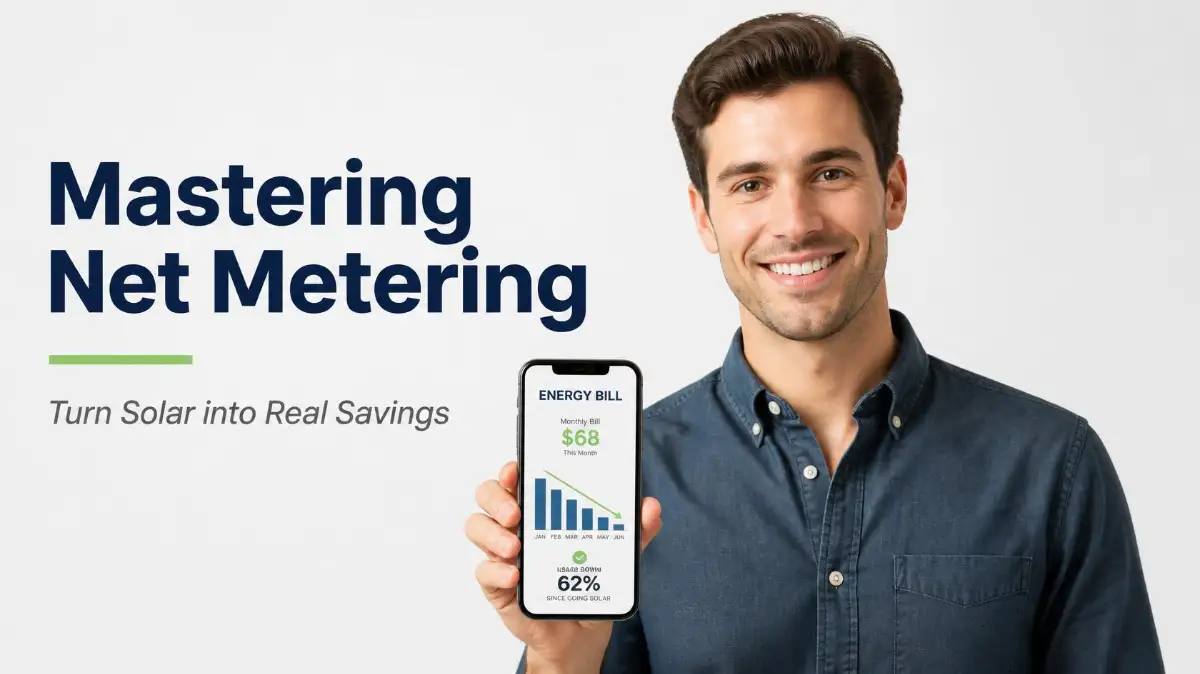
The Hidden Stress of Switching to Solar Energy
I still remember the sick feeling in my stomach when I opened my summer power bill two years ago—it was nearly double what I expected. I spent weeks staring at my roof, totally stressed out and wondering if going solar would just be another expensive mistake. Honestly, the fear of making a bad decision almost stopped me from doing anything at all.
Opening your electricity bill every month can feel like a heavy punch to the gut. You see the numbers creeping up, and you instantly think about making the switch to renewable energy.
You look up at your house and wonder if those shiny panels will actually work up there. The excitement quickly turns into deep anxiety. You want to save money, but you have no idea if your home is actually built for this upgrade.
Why Finding the Right Answers Feels Impossible
Searching for clear advice often leaves you feeling more confused than when you started. You are trying to do the right thing, but wrong information blocks your path .
- Aggressive Sales Tactics: Many solar salespeople will tell you that any roof is perfect, just to close a quick deal.
- Information Overload: The internet is packed with complicated jargon about kilowatts and voltage that ignores the physical limits of your house.
- Conflicting Neighborly Advice: Your neighbor might complain their system failed, without realizing their giant oak tree is the actual problem.
- Hidden Costs: Free online calculators rarely factor in the expensive structural upgrades your specific ceiling might need..
The Heavy Toll on Your Peace of Mind
This massive wall of confusion does more than just delay your project. It actively drains your confidence and emotional energy.
- Fear of Wasted Money: You lose sleep worrying that you might spend thousands on a system that barely generates enough power to run your fridge.
- Structural Anxiety: Every time the wind blows, you picture heavy equipment crashing through your ceiling because the framing was too weak.
- Contractor Paranoia: You constantly second-guess every professional you speak to, wondering if they are telling the truth or just trying to empty your wallet.
- Decision Paralysis: The fear of making a massive financial mistake forces you to do nothing, keeping you trapped in a cycle of high utility bills.
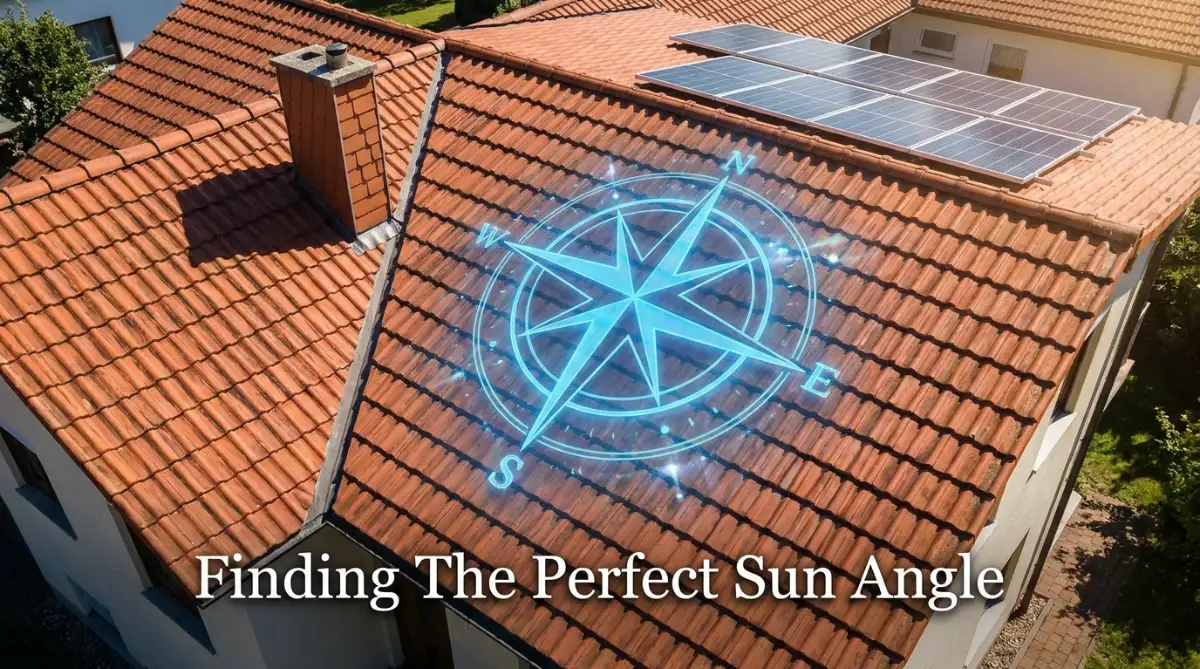
How to Audit Your Roof Like a Certified Pro
You do not need an engineering degree to figure out if your house can handle renewable energy. You just need to know exactly what the experts look for before they ever pick up a drill.
Think of your roof like a garden. If you want tomatoes to grow, you need the right soil, plenty of sunshine, and a strong trellis to hold them up. We are going to look at your house the exact same way. Let me walk you through the exact steps to evaluate your property with absolute confidence.
If you are a visual learner, watch this quick guide to see exactly what to look for on your roof before you keep reading our step-by-step breakdown below.
Step 1: Track the Sun's Daily Journey
The absolute most important factor for energy generation is how much direct sunlight hits your shingles. If your panels live in the shadows, they become highly expensive roof decorations.
In the Northern Hemisphere, the sun always travels across the southern part of the sky. Because of this, a south-facing roof is the absolute gold standard for catching the most rays throughout the day. If your primary roof slopes toward the south, you are already in a fantastic position.
What if your house faces a different direction?
Do not panic if your house faces east or west. West-facing systems are actually incredible for generating power late in the afternoon. This is exactly when your family comes home, turns on the air conditioning, and starts cooking dinner.
East-facing setups catch the morning sun, which helps power your morning routines. However, if your only available space points directly north, you will face significant challenges. North-facing angles catch the least amount of direct light, meaning your system will produce far less power than you expect .
Pro Tip: The Pitch Matters Just as Much
The angle, or "pitch," of your roof plays a massive role in how well your system captures light. The ideal angle for most homes sits right between 30 and 45 degrees.
If your roof is completely flat, the panels will just sit there pointing straight up into the sky. Installers fix this by adding special tilted brackets to angle them perfectly toward the sun. If your roof is extremely steep, like an A-frame cabin, the panels might struggle to catch high summer sunlight.
Step 2: Hunt Down the Silent Energy Killers
You can have the perfect south-facing angle, but it means nothing if heavy shadows cover your property. Shade is the ultimate enemy of solar energy.
I want you to walk outside your house at three different times tomorrow: morning, noon, and late afternoon. Look closely at the shadows creeping across your shingles.
Do you see the outline of a massive pine tree? Is your neighbor's giant chimney blocking the light?
The Science of String Inverters vs. Microinverters
Here is a common scenario many homeowners fail to understand. Older systems use something called a "string inverter," which wires all the panels together like old Christmas tree lights. If a shadow falls on just one panel, the power output of the entire system drops instantly.
If you have unavoidable shade from a telephone pole or a chimney, you must ask your installer about "microinverters." These tiny devices attach to each individual panel separately.
If one panel gets shaded by a passing cloud, the rest of your system keeps pumping out maximum power .
Myth vs. Reality: Winter Shade
- The Myth: People think that if a tree has no leaves in the winter, it will not block the sun.
- The Reality: Bare branches still cast hundreds of tiny, harsh shadows that can severely disrupt power generation. Always evaluate shade based on the worst-case scenario.
Step 3: Inspect the Foundation Above Your Head
We need to talk about the physical health of your house. Solar equipment is surprisingly heavy. A standard residential setup can add a significant amount of dead weight to your framing.
If your shingles are curling, cracking, or missing, you must address this before calling a renewable energy company. Installing expensive equipment over a rotting surface is a massive financial trap.
The Painful Cost of Doing Things Backwards
Imagine installing a beautiful new system today, only to realize your roof is leaking two years later. You cannot just patch a leak under a solar array.
You will have to pay a specialized crew to carefully detach and remove every single panel. Then, you will pay a roofer to fix the damage. Finally, you will pay the solar crew again to reinstall and rewire the system. This nightmare scenario can wipe out years of energy savings in a single weekend.
Choosing the Right Material
Not all building materials play nicely with metal mounting brackets. Asphalt shingles are the most common and easiest materials to work with. Installers know exactly how to drill into the studs and seal the holes perfectly.
Metal roofs are actually a dream come true for these installations. Workers can often attach the mounting brackets directly to the standing seams without drilling a single hole.
However, if you have old clay tiles or brittle slate, you need a highly specialized crew. These premium materials crack easily under the weight of walking boots, making the job much more complex and expensive.
Step 4: Measure Your Usable Real Estate
You might have a massive house, but that does not mean you have unlimited space for panels. Installers need clean, wide-open rectangles of space to work efficiently.
Look up and count the obstacles. Do you have multiple skylights, plumbing vent pipes, or awkward dormer windows? Every single obstacle eats into your usable square footage.
Calculating Your Daily Energy Needs
You have to match the size of your available space to your family's actual energy consumption. Grab your last twelve utility bills and find your average monthly usage in kilowatt-hours (kWh).
If you run a large air conditioner, charge an electric vehicle, and have a heated pool, you need a massive system. If your usable roof space is tiny and broken up by vents, you simply might not have enough room to cover your needs.
In these situations, you might need to look at highly efficient, premium panels that generate more power in a smaller footprint.
Expert Insight: Fire Safety Regulations
Many people forget to factor in local building codes when measuring their space. Firefighters need safe walking paths on your roof in case of an emergency.
Most cities require a three-foot clear path around the edges and along the peak of your house. You cannot legally cover every single inch of your shingles with equipment. Always mentally subtract this safety border when estimating how many panels you can fit up there.
Beyond the Basics: Expert-Level Roof Assessments
Checking your sun exposure and measuring your open space is a fantastic start. However, the true secret to a flawless energy upgrade happens deep beneath the surface of your shingles.
We need to look at your house like a structural engineer would. You are about to bolt heavy metal hardware to the top of your family home. Guessing the structural health of your property is a massive gamble you should never take.
Just like you would carefully identify your exact skin type at home before purchasing expensive face creams, you must identify your exact roof condition before buying solar equipment. Without a proper baseline, you are simply throwing money into the wind.
Let us look at the advanced checks that professional installers use to guarantee long-term safety.
The Flashlight Attic Test
Do not just look at your shingles from the driveway. The real truth about your home's structural integrity is hiding up in your dark attic. Grab a bright flashlight and head upstairs during a sunny afternoon.
Turn off your flashlight for a moment and look up at the wooden ceiling. Do you see tiny pinholes of daylight shining through the wood? If light can get in, that means rain can easily follow.
Now, turn the flashlight back on and inspect the wooden beams holding everything together. You are looking for dark water stains, white mold, or wood that looks warped and bowed.
If the wooden skeleton of your house is already struggling to hold up its own weight, adding heavy glass panels is a terrible idea .
I actually learned this the hard way when I skipped checking my own attic and almost installed panels over a hidden roof leak. Take it from me, spending just ten minutes up there with a flashlight can save you from a massive financial headache down the road.
Understanding the Airplane Wing Effect
Many homeowners completely ignore the invisible force of local wind patterns. Solar arrays do not sit perfectly flat against your shingles. They are mounted a few inches above the surface to allow electrical wires to run safely underneath.
This small gap creates a serious aerodynamic challenge during heavy storms. When extreme winds blow across your house, that gap turns your solar panels into a giant airplane wing. The wind tries to lift the panels right off your house.
If you live in an area prone to hurricanes, tornadoes, or high coastal winds, standard mounting brackets might fail. You will need specialized, heavy-duty anchors driven deeply into the thickest wooden trusses of your home.
Always ask your installer about the specific wind rating of their mounting hardware before signing any contract.
Navigating the Neighborhood Bureaucracy
Sometimes the biggest obstacle to renewable energy is not physics, but local neighborhood rules. Homeowner Associations (HOAs) are famous for blocking property upgrades simply because they dislike how things look.
Many strict neighborhoods have rules stating that panels cannot be visible from the main street. If your house faces south, but the street is also on the south side, you have a massive problem. Forcing the installation to the north side just to hide them from the neighbors will destroy your energy production.
Before you pay a single deposit, you must read your neighborhood bylaws carefully. You can also check the official Department of Energy guidelines for homeowners to understand your legal rights regarding residential energy installations. Some regions actually have laws that prevent HOAs from blocking your green energy projects.
Designing a Low-Effort Maintenance Routine
A great installation will naturally produce electricity for decades with very little effort. However, ignoring your system completely will slowly drain your daily power output over time. Dust, pollen, and bird droppings act like a dark curtain over your expensive glass.
You need to establish a very basic, predictable routine to keep everything running smoothly. Think about how you might simplify your mornings with a minimalist routine to save time and reduce stress. Your home energy maintenance should be just as simple and highly effective.
Once a month, check the mobile app provided by your installer to ensure all panels are active. Twice a year, hire a professional cleaning crew to wash away the stubborn dirt. This tiny investment in regular upkeep guarantees your system will pump out maximum electricity every single day.
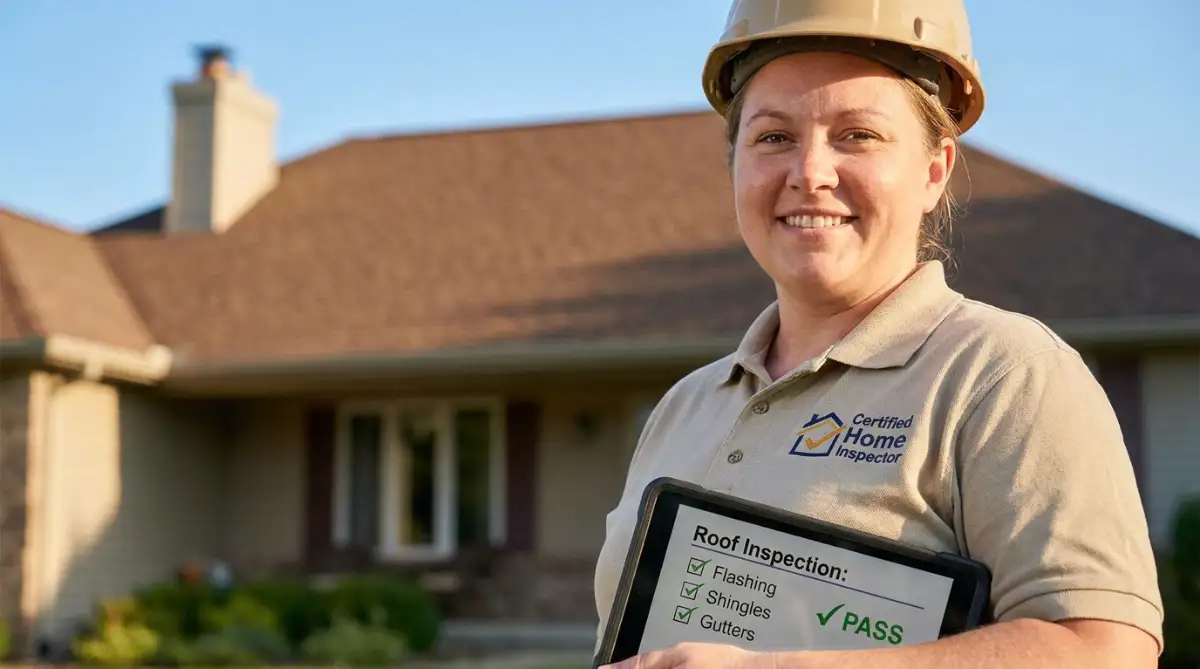
The Most Expensive Solar Blunders Homeowners Make
Even smart people make terrible decisions when they rush into complex home improvement projects. The excitement of ditching the local utility company often blinds people to massive financial traps.
I want to protect you from the nightmare scenarios that keep bad contractors in business. By knowing exactly what can go wrong, you can safely navigate around these common industry pitfalls.
Here are the biggest mistakes you must avoid at all costs.
Mistake 1: Accidentally Shredding Your Roof Warranty
If you recently paid for brand new asphalt shingles, you likely received a highly valuable 20-year warranty from the manufacturer. This paper protects you from material defects and unexpected leaks.
However, drilling fifty holes into that brand new surface is a risky game. If the solar crew does not use the exact sealant methods approved by your roofing manufacturer, your warranty instantly becomes worthless paper.
The Fix: Always call your original roofing contractor before the solar guys arrive. Ask them to approve the specific mounting hardware being used, and get that approval in writing.
Mistake 2: Falling for the "Free Solar" Leasing Trap
You have probably seen advertisements promising a massive energy system for zero money down. These companies ask you to sign a lease, meaning they own the equipment on your roof, and you just buy the power it generates.
This sounds amazing until you need a roof replacement five years down the road. Because you do not own the hardware, you cannot legally touch it. The leasing company will charge you thousands of dollars just to temporarily remove their property so your roofer can work.
Carefully understanding the financial differences between leasing and buying is an absolute necessity. Reading the fine print of these complex agreements is just like learning to master your health policy limits. If you ignore the hidden fees buried in the contract, your expected savings will completely vanish.
Mistake 3: Forgetting About Snow and Dead Load
Every roof is mathematically engineered to hold a specific amount of weight. This includes the building materials and heavy winter snowstorms.
Adding an entire solar array adds a permanent "dead load" to your house. When a massive winter blizzard dumps two feet of heavy, wet snow on top of those panels, the total weight can skyrocket past the safety limit.
The Fix: Never allow an installation on an older home without a formal inspection from an independent structural engineer. They will mathematically calculate if your wooden framing can survive a harsh winter with the added hardware.
Mistake 4: Ignoring the Growth Rate of Young Trees
When you map out your sun exposure today, your yard might look completely clear. But you must think about what your property will look like a decade from now.
That cute, five-foot oak sapling near your driveway will eventually turn into a fifty-foot shade monster. As the tree grows, its shadow will slowly creep across your roof, silently stealing your daily power generation.
The Fix: Look up the exact species of every young tree near your home to find their maximum mature height. You may need to relocate small trees today to protect your expensive energy investment tomorrow.
Mistake 5: Blindly Trusting the First Estimate
The renewable energy industry is filled with highly aggressive sales representatives. They are trained to make you feel immense pressure to sign a contract on the very first day they visit your house.
Many of these salespeople will deliberately ignore minor structural issues just to secure their commission check. If they tell you your aging shingles are perfectly fine, you must remain skeptical.
The Fix: Treat this process exactly like a major medical decision. You must always get a second and third opinion. Bring in at least three different installation companies to inspect your property and compare their structural findings side by side.
Your Next Steps Toward Total Energy Independence
You now hold the exact blueprint needed to make a highly educated, profitable decision about your home's energy future. You are no longer an easy target for fast-talking salespeople or misleading online calculators.
You understand how to trace the sun's path, hunt down hidden shade, and critically examine the wooden bones of your house. More importantly, you know exactly how to avoid the expensive traps that ruin this experience for so many other families.
Do not let the complexity of home improvement stall your progress. You have the power to take control of your monthly utility bills starting this very week.
Your Personal Weekend Action Plan
- Saturday Morning: Walk outside and formally document where the sun hits your house at 9 AM, 12 PM, and 4 PM.
- Saturday Afternoon: Grab a flashlight, head up into your attic, and inspect the ceiling boards for any signs of water damage or sagging wood.
- Sunday: Gather your last twelve electricity bills to calculate your true household usage.
By taking these small, practical steps today, you are building a rock-solid foundation for a brighter, cheaper energy future. Your journey to complete energy independence starts right now.
Making the switch to solar completely changed my family's monthly budget, and I promise the peace of mind is totally worth the effort. Do not let fear hold you back; just take it one simple step at a time, and you will be amazed at how easy this process actually is.
Disclaimer: The information provided in this article is for educational and informational purposes only and does not constitute professional engineering, roofing, or financial advice. Always consult with a certified structural engineer, licensed roofing contractor, and professional solar installer before making any modifications to your home or signing any financial agreements.