The Hidden Frustration of Switching to Solar Energy
Deciding to power your home with the sun should be an exciting and proud moment for your family. You imagine lowering your monthly electricity bills and helping the environment at the same time. However, the moment you start looking into the equipment, excitement quickly turns into absolute exhaustion.
You are suddenly forced to learn a completely new technical language just to power your basic home appliances. The sheer volume of technical jargon makes a simple home improvement project feel like a university engineering exam. Homeowners often feel completely paralyzed by the fear of making an expensive mistake.
When I first decided to get solar panels for my house, I thought it would be a fun and easy weekend project. Instead, I spent three weeks feeling totally lost while installers threw around big words like "clipping" and "microinverters" as if I already knew what they meant. I almost gave up on the whole idea because I was terrified of spending my life savings on the wrong metal box.
Why Getting the Right Answers Feels Impossible
When you try to research how to build your home energy system, you quickly realize that the internet is filled with conflicting advice.
- Sales-driven advice: Most local installers only recommend the specific brand they have sitting in their warehouse, rather than what actually fits your roof.
- Overly technical manuals: Manufacturer websites use incredibly complex language that assumes you already hold a degree in electrical engineering.
- Hidden limitations: You are rarely told how things like seasonal cloud cover or a growing tree in your yard will completely shut down certain types of systems.
- Generic online calculators: Free online tools often spit out generic equipment recommendations without asking about your specific home layout or energy goals.
The Heavy Cost of Second-Guessing Your Investment
Making a blind guess on your home energy setup does a lot more than just hurt your wallet. It creates a constant, lingering anxiety that stays with you long after the installation crew leaves.
- Sleepless nights during storms: You might constantly worry if your chosen setup will actually keep the lights on when the neighborhood grid fails.
- Resentment toward the system: Seeing an unexpectedly high utility bill creates an immediate sense of regret and frustration.
- Loss of personal confidence: Spending thousands of dollars on a system that underperforms makes you feel like you were tricked.
- Constant monitoring stress: You end up obsessively checking your phone app every hour, stressing over tiny drops in energy production instead of enjoying your day.
Decoding the Brain of Your Solar System
Before we look at the specific options available for your home, we need to understand what this heavy metal box actually does. Your inverter is the absolute brains of your entire energy operation.
When sunlight hits the dark panels on your roof, it creates Direct Current (DC) electricity. Here is the problem: your television, refrigerator, and phone charger cannot use DC electricity. Your home runs exclusively on Alternating Current (AC) electricity.
Think of it like someone handing you a stack of foreign currency. The money holds real value, but you cannot use it at your local grocery store until you exchange it. Your inverter is that currency exchange booth. It takes the unusable DC solar power and translates it into the AC power your house demands.
The Classic Approach: Understanding String Technology
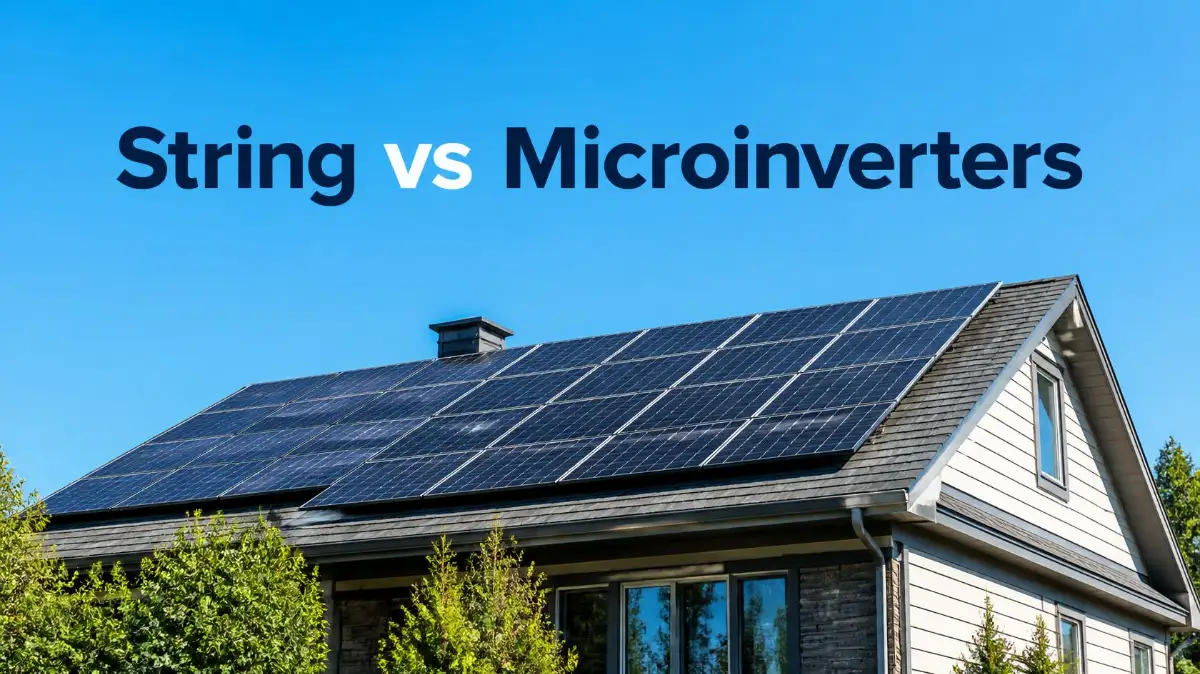
Let us start with the most traditional and widely used option on the market today. The string inverter system connects all the panels on your roof together into a single line, or a "string."
The energy flows from the first panel, through the second, all the way down the line until it reaches one large central box usually mounted on the side of your house. This central box does all the heavy lifting for the entire roof. Because there is only one main processing unit, this method remains the most cost-effective way to get your home running on sunshine.
If you have a large, wide-open roof that faces perfectly south with absolutely zero trees around, this traditional setup works beautifully. It is incredibly easy to maintain because your technician only has to check one ground-level box if something goes wrong.
The "Christmas Tree Light" Problem
To fully grasp the reality of a string system, we have to look at its biggest weakness. Do you remember how old holiday lights used to work? If one single bulb burned out, the entire string of lights would instantly go dark.
Traditional string setups share a very similar behavioral trait. If a passing cloud, a chimney shadow, or a pile of autumn leaves covers just one panel, the performance of the entire connected line drops. The entire system can only produce power at the level of the weakest, most shaded panel in that specific group.
Imagine a group of hikers tied together on a mountain trail. The group can only move as fast as the slowest hiker. If you have a complex roof with multiple angles and lots of shade, this traditional method might leave you deeply frustrated.
The Independent Approach: Why Micro-Technology Changes Everything
Now, let us imagine breaking that single, large central box into tiny, independent units. Instead of one big machine on the side of your house, a microinverter system places a miniature processing unit directly underneath every single panel on your roof.
This completely revolutionizes how your home collects and processes sunlight. Because the DC to AC power conversion happens right there on the roof, every single panel operates as its own independent power plant.
If a bird builds a nest on one panel, or a large tree shades a specific corner of your roof during the afternoon, only that specific panel loses power. The rest of your roof continues to collect maximum energy without even noticing the shaded section.
Real-Life Scenario: The Complex Roof
Let me give you a practical example of why this matters so much for modern homeowners. Consider a homeowner named Sarah who has a very complex roof design with dormer windows and multiple facing angles.
She has panels facing east to catch the morning sun, and panels facing west to catch the evening sun. If she used a traditional connected system, the shaded western panels would drag down the morning performance of the eastern panels. By placing a micro-unit under each panel, Sarah captures every single drop of available sunlight all day long.
While this independent setup requires a higher initial investment, it offers incredible peace of mind. You can open your phone app and clearly see exactly what each individual panel is producing in real-time.
The Forward-Thinking Method: Preparing for Total Independence
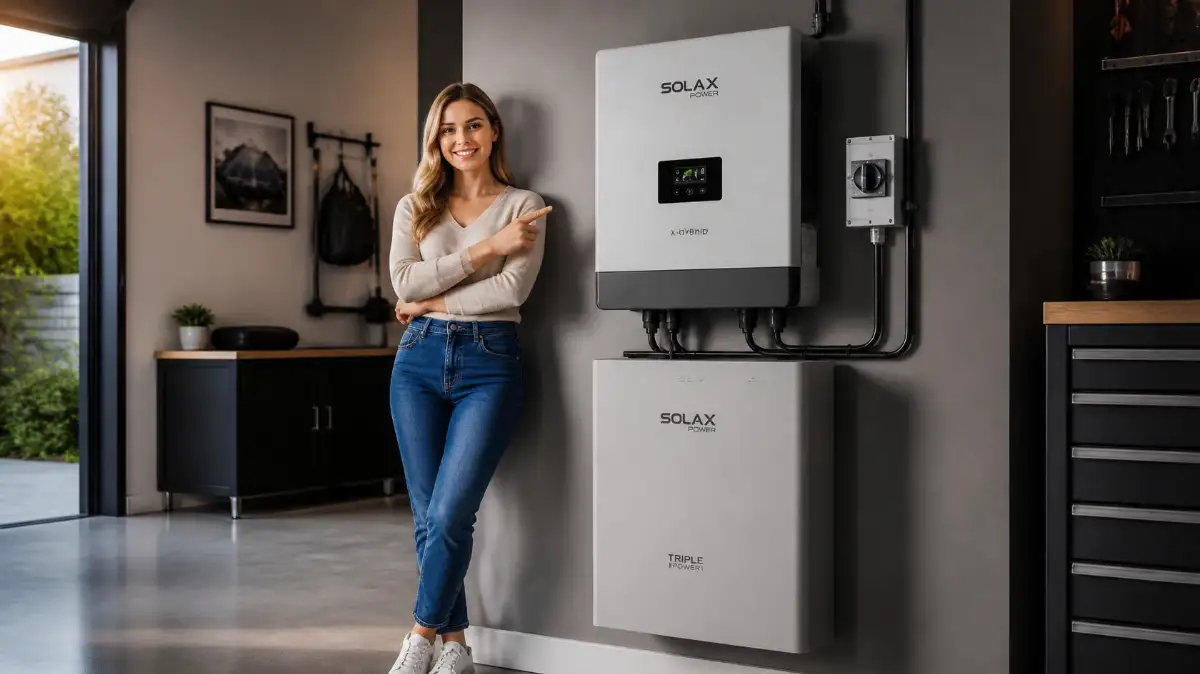
The final major category we need to explore is designed for the modern homeowner who wants maximum security. A hybrid system takes the traditional conversion process and adds a completely new layer of capability.
Standard systems are strictly designed to push converted power directly into your home or out to the city grid. A hybrid system has a built-in traffic controller that safely manages energy flowing into large storage batteries.
When the sun goes down, or when a massive storm knocks out the city power lines, your home seamlessly switches over to the stored energy. You probably will not even notice the grid went down until you look outside and see your neighbors sitting in the dark.
Why Standard Systems Fail During Blackouts
Many new solar owners are completely shocked to learn a very disappointing fact. If you have a standard system without battery storage, your solar panels will automatically shut down when the city power grid fails.
This is a built-in safety requirement to protect utility workers who are trying to fix the broken power lines. They cannot have your roof pumping live electricity into dead wires while they are working on them. A hybrid setup solves this problem by safely isolating your house from the grid.
It directs the sun's power into your batteries, ensuring your refrigerator keeps running and your family stays comfortable during extended emergencies. If you live in an area prone to harsh weather or rolling blackouts, this advanced setup is incredibly practical.
Myth vs Reality: Clearing Up Common Confusions
Let us pause for a moment to clear up some widespread misinformation that floats around home improvement forums. Navigating these myths will immediately make you a more educated buyer.
The Myth: Microinverters are always better and more efficient than traditional centralized setups for every single home.
The Reality: If you have a perfectly unshaded, south-facing roof, a central unit will perform just as efficiently as micro-units. You would simply be paying extra money for independent processing that you do not actually need.
The Myth: Having any type of solar panel means you are completely off the grid and immune to power outages.
The Reality: Unless you specifically install a hybrid setup combined with a heavy-duty battery bank, you are still heavily reliant on the city grid. Standard setups go dark when the city goes dark.
Expert Pro Tips for Making Your Final Decision
To ensure you make a smart, informed choice for your property, I recommend following these practical evaluation steps. These are the exact things a professional inspector looks for when designing a custom layout.
First, go outside at three different times during the day: early morning, high noon, and late afternoon. Take clear photos of your roof to track exactly where the shadows fall. This visual evidence will instantly tell you if you need independent micro-units to handle heavy shading.
Second, look at your past utility bills and note your highest usage months. If your local utility company charges you massive fees for using energy during the evening hours, investing in a hybrid battery setup might pay for itself surprisingly fast.
A Quick Visual Comparison Breakdown
If you are more of a visual learner, watch this quick video below that perfectly shows how these three solar systems actually look and work in the real world! Be sure to keep reading right after the video to catch my insider secrets on making your expensive equipment last twice as long.
Sometimes, looking at a simple side-by-side comparison is the easiest way to organize your thoughts. Here is a quick reference guide to help you remember the core differences we just discussed.
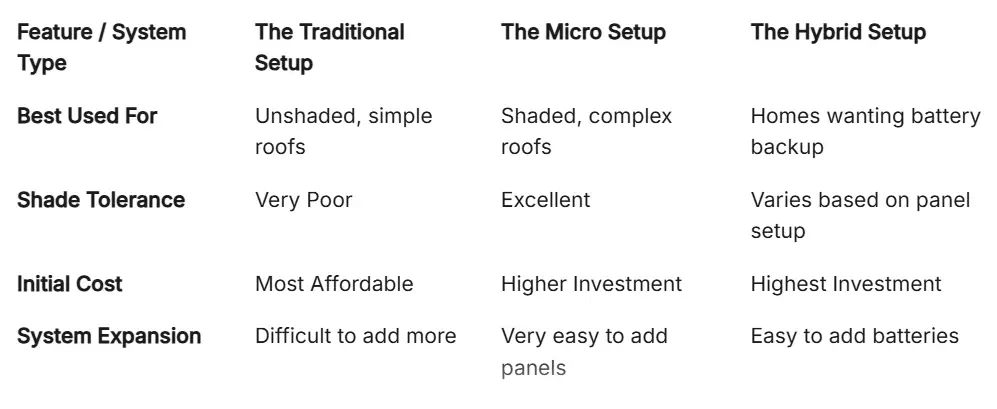
By understanding how these three core technologies manage the energy from your roof, you are completely removing the guesswork. You no longer have to rely solely on the word of a salesperson looking to make a quick commission.
You now possess the practical knowledge needed to look at your own home, identify your specific environmental challenges, and choose the exact piece of technology that will serve your family best. The peace of mind that comes with making an educated choice is truly priceless.
Insider Secrets for Getting the Best Performance
Choosing the right equipment is only the first part of your energy journey. Making sure that equipment runs perfectly for the next two decades requires a little bit of inside knowledge.
Many homeowners simply let the installation crew mount the box on the wall and never think about it again. This passive approach is exactly how you end up losing thousands of dollars in wasted energy.
By understanding a few simple engineering secrets, you can protect your investment and maximize your daily power production. These are the exact strategies professional technicians use on their own homes.
The "Water Funnel" Rule of Sizing
One of the most heavily debated topics in home energy is how to properly size your main processing unit. Installers often recommend an inverter that is slightly smaller than the maximum output of your roof panels.
At first glance, this sounds like a terrible mistake. Why would you want a system that cannot process 100% of the energy your roof makes on a perfectly sunny day?
Think of your inverter like a plastic funnel and your solar panels like a large bucket of water. If you pour the water too fast, the funnel overflows and water is wasted. In the solar industry, this overflow is called "clipping."
While clipping sounds bad, it is actually a very smart design choice for most homes. Your roof only hits maximum power for a few short hours on the absolute brightest days of the summer.
For the rest of the year, a slightly smaller unit will actually run much more efficiently during early mornings and cloudy afternoons. Do not panic if your installer suggests this method, as it usually results in more total power collected over a full year.
The Invisible Enemy of Electronics
If you want your equipment to last a long time, you have to respect one universal rule of electronics. Heat is the absolute worst enemy of any computer processor.
Your inverter is basically a very powerful, highly specialized computer working tirelessly every single day. When it processes heavy electrical currents, it naturally generates a significant amount of internal heat.
If you mount this sensitive equipment on the south-facing exterior wall of your house, it will bake in the direct sun all day. This extreme heat forces the internal cooling fans to work twice as hard, significantly reducing the lifespan of the machine.
Whenever possible, insist that your installation crew mounts the central unit inside a cool, shaded garage. If it absolutely must go outside, make sure it is placed on a north-facing wall or under a protective shading canopy.
I actually learned this the hard way when my first expensive unit broke down after just four years because I let the crew mount it right in the blazing afternoon sun. Now, I always tell my friends to fight for a shady spot in the garage, even if the installers complain that putting it on the hot side of the house is easier for them.
Taking Control of Your Data
Modern energy setups come with sophisticated mobile applications that track your power generation in real time. Treat this app like the dashboard of your car.
You would not drive for six months without checking your fuel gauge or engine temperature. Similarly, you should not go months without checking your energy production.
Get into the habit of logging into your monitoring app once a week just to make sure all the lines are green. If your system loses its Wi-Fi connection, it will still generate power, but it cannot warn you if a specific panel suddenly fails.
By staying proactive with your digital monitoring, you can catch minor issues before they turn into surprisingly expensive utility bills at the end of the month. Getting familiar with these apps also helps you understand fundamentals of solar grid integration, allowing you to see exactly how your home interacts with the city power supply.
The Most Expensive Traps Homeowners Fall Into
Even with the best intentions, smart people make very expensive mistakes when building their energy systems. The excitement of going green often causes buyers to rush past critical warning signs.
I want to share some incredibly common traps that happen in residential neighborhoods every single day. By recognizing these pitfalls early, you can safely navigate around them.
Trap 1: The "Right Now" Capacity Mistake
Let us look at a very common real-life scenario involving a homeowner named David. David calculated his current electricity usage perfectly and bought a system sized exactly for his current lifestyle.
Two years later, David replaced his gas-powered car with a brand new electric vehicle. Suddenly, his electricity demands doubled, and he needed to add more panels to his roof.
Because he bought a traditional string unit sized only for his old energy needs, his existing system could not handle the new panels. He was forced to buy a completely new, expensive processing unit just to charge his car.
When you are planning your setup, you must think five years into the future. If you are even slightly considering planning for a future EV charging setup or adding a heated swimming pool, you need to buy equipment that can handle that future expansion.
Trap 2: The Worthless Paper Warranty
The solar industry is highly competitive, and hundreds of new manufacturing companies pop up every single year. These aggressive new brands often promise massive 25-year warranties to convince you to buy their products.
Here is the harsh reality of the manufacturing world. A 25-year warranty is completely worthless if the company goes bankrupt in three years.
If your cheap, imported inverter breaks down and the manufacturer no longer exists, you are stuck paying full price for a replacement. Do not fall for the trap of choosing the absolute cheapest quote from an unknown brand.
Always demand equipment from established, publicly traded companies that have a proven track record of honoring their warranties. Researching solar energy reliability and research through national laboratories will quickly show you which brands consistently survive extreme weather testing.
Trap 3: Ignoring Local Power Policies
Many buyers assume that generating their own power automatically means the utility company will pay them handsomely for the extra energy. This is a very dangerous assumption that varies wildly depending on your exact zip code.
Some cities offer incredible incentives where they buy your excess daytime power at premium retail rates. Other cities have drastically changed their rules, offering almost nothing for the extra power you send back to the city lines.
Before you sign any contracts or choose a specific equipment brand, you must research how your local government handles these energy credits. Your financial return on investment relies heavily on understanding net metering policies in your specific utility district.
If your city offers terrible rates for excess power, you should strongly consider shifting your budget toward a hybrid battery system instead. Keeping your own power is always better than selling it to the city for pennies.
Trap 4: The Cart Before the Horse
I frequently see excited homeowners buying equipment bundles online before they even have their property professionally evaluated. They purchase expensive hardware only to discover their aging roof shingles need to be completely replaced first.
Never buy energy equipment until a certified inspector has walked across your property. You have to start by evaluating your roof suitability to ensure the structural wood can actually handle the heavy weight of the panels.
Your Personal Action Plan for Energy Success
We have covered a massive amount of technical ground together today. You now know more about energy conversion than the vast majority of homeowners in your neighborhood.
You understand exactly how traditional strings work, why independent micro-units matter, and when a hybrid setup is necessary. You also know how to protect your equipment from heat and how to avoid the most common financial traps.
This knowledge gives you an incredible advantage as you move forward. You no longer have to feel overwhelmed when speaking with contractors or reading confusing specification sheets,.
What You Should Do Tomorrow Morning
To keep this momentum going, I have created a simple, stress-free checklist for you to follow this week. Do not rush the process; just take it one confident step at a time.
- Gather the data: Print out your last twelve months of utility bills to find your true average monthly usage.
- Shadow tracking: Take a walk around your yard at 9 AM, 1 PM, and 4 PM to see exactly where the large trees cast their shadows.
- Check the rules: Call your local utility provider and directly ask them to explain their current solar buy-back rates.
- Start interviewing: Reach out to three different local, highly-rated installation companies and ask them how they handle equipment cooling and warranties.
Taking control of your home's energy is one of the most rewarding projects you will ever complete. By using the expert strategies we discussed, you are setting your family up for decades of reliable, affordable, and clean Power .
You have absolutely got this. Take that first step tomorrow, and enjoy the peace of mind that comes with true energy independence.
Looking back at my own solar journey, seeing my monthly electric bill drop to almost nothing was one of the best feelings in the world. Do not let all the confusing tech hold you back from saving your hard-earned money. Grab your latest power bill right now and make that first phone call to an inspector—you will be so happy you did!
Disclaimer: The information provided in this article is for educational and informational purposes only. It does not constitute professional engineering, financial, or legal advice. Always consult with a licensed local solar contractor and your utility provider before making any electrical modifications to your home.
***THANK YOU***